
 Dronacharya Pokharel
In today’s fast-paced world, people of all ages are busy with work, study and daily responsibilities. While staying productive is important, taking care of both physical and mental health is equally essential.
Physical fitness refers to the condition in which the body’s organs and systems function effectively. It includes both external and internal health, allowing individuals to carry out daily activities with energy and efficiency.
Mental health, on the other hand, refers to a person’s emotional, psychological and social well-being. It influences how people think, feel and make decisions in everyday life.
Because physical and mental health are closely connected, one cannot be separated from the other. They are often described as two sides of the same coin.
Growing Health Challenges
The way people live today has changed significantly. Sedentary lifestyles, limited physical activity, excessive use of technology and rapid urbanisation have created new health challenges around the world.
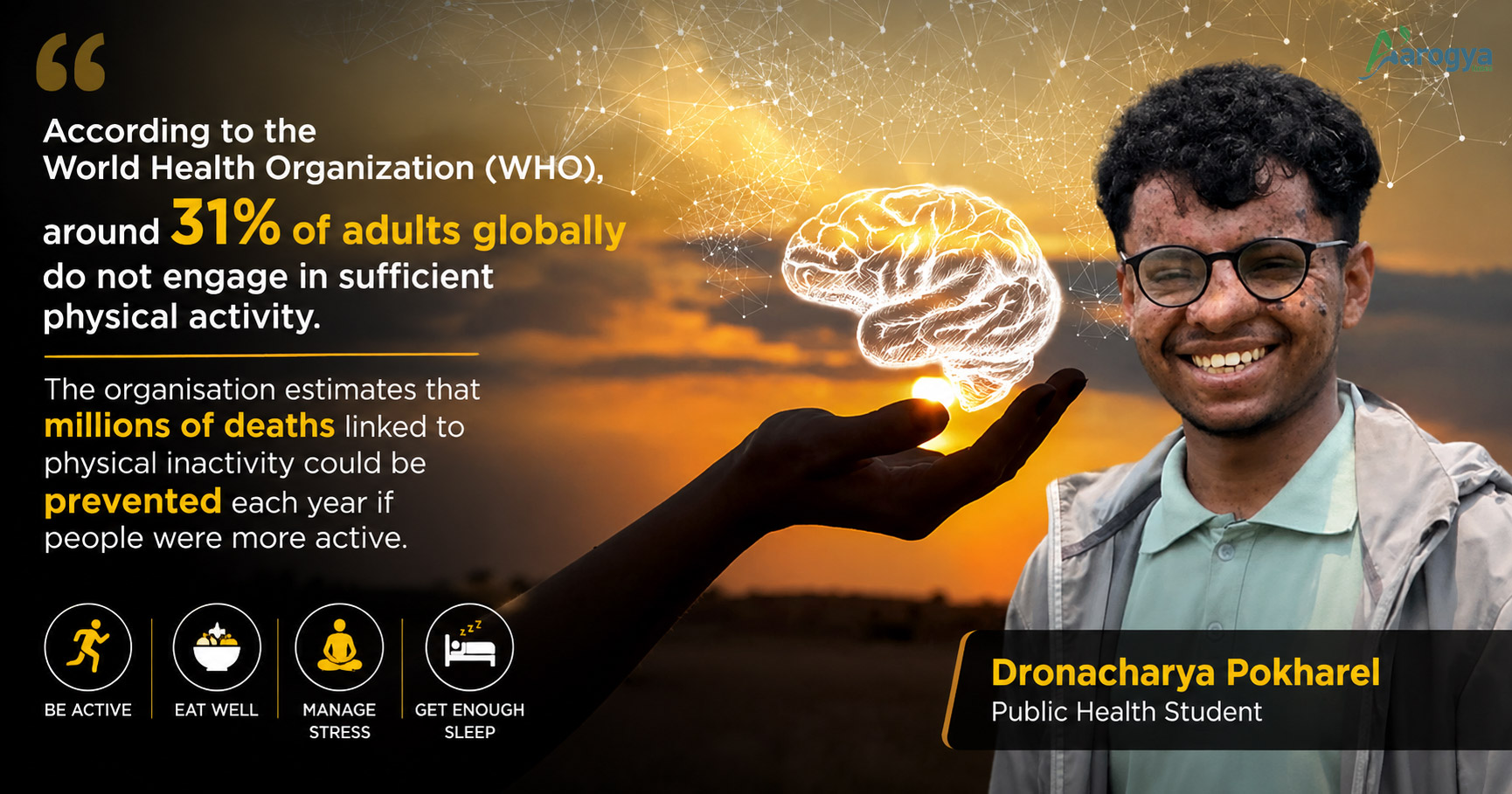
According to the World Health Organization (WHO), around 31% of adults globally do not engage in sufficient physical activity. The organisation estimates that millions of deaths linked to physical inactivity could be prevented each year if people were more active.
Mental health has also become a growing concern. Stress, anxiety, depression and suicidal thoughts are affecting increasing numbers of people worldwide.
A WHO report published in 2021 found that more than one billion people were living with some form of mental health condition. The report also identified mental disorders as one of the leading causes of disability globally.
The Link Between Body and Mind
People who are physically healthy are often more likely to have confidence, positive thinking and emotional stability. Likewise, individuals with good mental health are more likely to exercise regularly, eat nutritious food and maintain healthy habits.
However, mental stress and anxiety can negatively affect sleep, appetite, blood pressure and the immune system. Similarly, poor physical health can increase the risk of mental health problems.
Modern lifestyles have contributed to a rise in non-communicable diseases such as diabetes, heart disease, high blood pressure, obesity and certain types of cancer. According to a 2021 study, non-communicable diseases caused around 18 million premature deaths globally before the age of 70. More than 80% of these deaths occurred in low- and middle-income countries.
According to data from the WHO and the World Bank, around 55.8% of Nepal’s total health expenditure comes directly from patients and their families through out-of-pocket payments.
Living with chronic illness often leads to additional mental health challenges. Anxiety, depression and sleep disorders are common among people suffering from long-term health conditions.
WHO estimates that in 2021, around 359 million people worldwide were living with anxiety disorders, while between 280 million and 330 million people were affected by depression.
The Situation in Nepal
Mental health is also becoming a major public health concern in Nepal. National studies suggest that around 12% to 15% of adults show symptoms of anxiety or depression. Experts believe the actual number may be higher because many people do not seek professional help.
The financial burden of illness is another challenge. Patients often face long-term treatment costs, spending on medicines, hospital visits and caregiving. In Nepal, where healthcare facilities are often far from rural communities, transportation, accommodation and food expenses can add significantly to the cost of treatment.
According to data from the WHO and the World Bank, around 55.8% of Nepal’s total health expenditure comes directly from patients and their families through out-of-pocket payments.
This financial pressure can increase stress, anxiety and feelings of hopelessness. In severe cases, it may even contribute to suicidal thoughts or suicide attempts.
Building a Healthier Lifestyle
Maintaining a balance between physical and mental health requires conscious effort.
Experts recommend eating a balanced diet rich in fruits, vegetables, protein and sufficient water. Regular physical activity such as walking, running, sports or yoga is also important. Adults should aim for seven to eight hours of sleep each night.
Mental well-being can be improved through meditation, yoga, breathing exercises and positive thinking. Engaging in enjoyable activities such as listening to music, singing, dancing or spending time in nature can also reduce stress.
In Nepal’s rural and mountainous regions, daily life often involves physical activity such as farming, carrying water, collecting firewood and walking long distances. In contrast, many people in urban areas spend much of their day sitting in classrooms, offices or vehicles, with additional time spent on mobile phones and social media.
Studies show that many office workers walk only 3,000 to 4,000 steps a day, far below the commonly recommended target of 10,000 steps.
Strong social relationships are also important. Spending time with family and friends, reducing excessive screen time and maintaining a healthy work-life balance can all contribute to better mental health.
A Shared Foundation for Well-Being
Physical and mental health are inseparable parts of human well-being. Good physical health alone is not enough for a fulfilling life, and mental well-being cannot be achieved without caring for the body.
In an increasingly busy and competitive world, maintaining balance between the two has become more important than ever.
Ultimately, investing in both physical fitness and mental health is the foundation of a healthier, happier and more productive life.
 Arogya Times