 Arogya Times
A packet of snacks can look harmless. But for a patient recovering from surgery—especially someone with diabetes—it can sometimes be the wrong choice.
This morning, I came across a scene in a hospital ward that made me stop and think.
A diabetic patient had recently undergone surgery. When I asked whether he had eaten anything, he said he was hungry and that his wife had gone to bring him some food.
A little later, his wife returned.
I casually asked what she had brought for him.
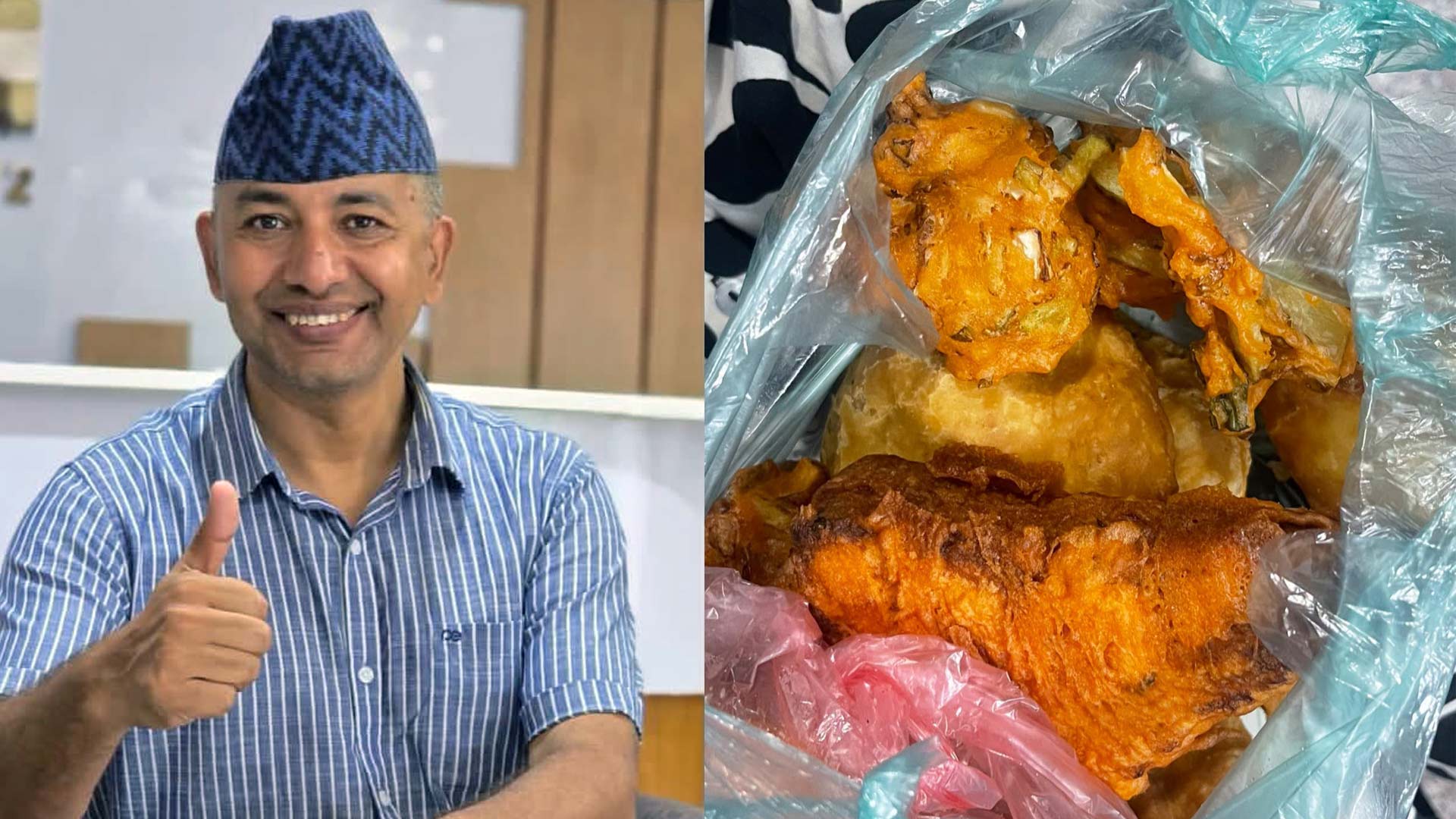
Inside the bag were pakodas, aloo chop and samosas.
The patient had just undergone surgery, and he also had diabetes.
When I asked whether the food was for him, the answer was simple:
“Yes, Doctor. He wanted to eat them.”
This incident may seem ordinary, but it raises an important question— Do we always know what is appropriate to feed a patient after surgery?
Post-operative nutrition is not simply about satisfying hunger or fulfilling a patient’s cravings. The right food can support recovery, while inappropriate food choices may create additional problems.
This becomes even more important in people with diabetes. Poorly controlled blood sugar can interfere with wound healing and increase the risk of infection.
So, whether you are a patient or a family member, don’t decide a hospital diet based only on what the patient feels like eating.
Before bringing food from home or giving a patient something they request, ask the doctor or nurse on duty:
And there is another side to this responsibility.
Healthcare professionals also have a duty to communicate.
Patients and their families should be clearly informed—before and after surgery—about what they can eat, what they should avoid, when they can eat, and why these precautions matter.
Because sometimes, the best care is not just giving medicine or performing a successful operation. It is also making sure the patient knows how to recover safely afterward.
(From the Facebook post of Dr. Deepak Malla)
Arogya Times