 Arogya Times
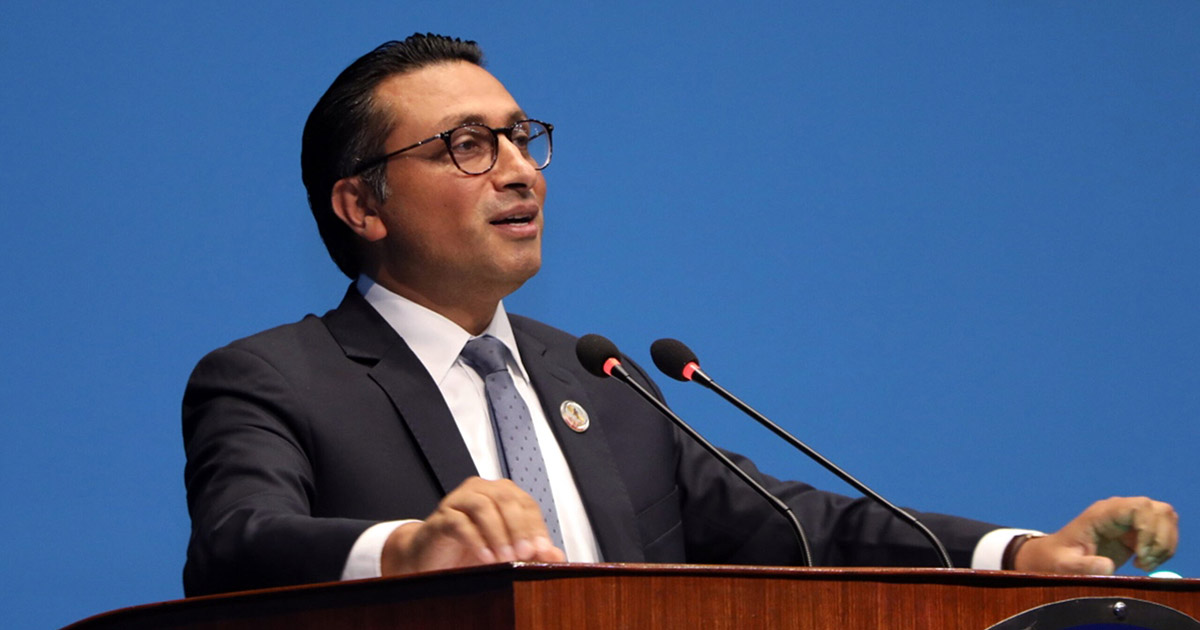
Finance Minister Dr. Swarnim Wagle has said the government plans to restructure the country’s health insurance programme to make it financially sustainable and accessible to all citizens.
Responding to questions in Parliament regarding the state of the health insurance system, Wagle acknowledged that the programme has become increasingly challenging to manage and requires significant reforms.
“The issue of health insurance has become complex. We have been holding continuous discussions with the Health Minister on this matter,” he told lawmakers.
According to Wagle, the previous government had allocated NPR 10 billion for the health insurance programme and later added another NPR 2 billion to address funding needs. The current government has also injected an additional NPR 7 billion into the scheme.
Despite the increased funding, outstanding liabilities remain unresolved, raising concerns about the programme’s long-term viability.
“There are still unpaid obligations, and discussions are underway on how to settle them,” Wagle said. “Simply continuing to pay unlimited liabilities is not a sustainable solution. The restructuring we are proposing is based on a realistic assessment of the programme’s financial situation.”
The minister said the government is working on reforms aimed at ensuring the health insurance system remains affordable, sustainable, and capable of providing broader coverage to the population.
Nepal’s health insurance programme has faced mounting financial pressures in recent years, with delays in payments to healthcare providers and concerns over its long-term sustainability prompting calls for comprehensive reforms.
Arogya Times